Recruiting & Staffing
Home
Complete archive of features and news articles, sample policies and procedures, assessments, and surveys.
Network and exchange ideas with other members in the forums or ask an expert in one of the hosted forums.
Access vendor directories, product case studies and showcases.
Read Best in Shows, view our conference calendar, read commentaries and take our news poll.
The Hot List
Blogs
Topic Channels
Comp, Benefits, Rewards
HR Management
Legal Insight
Recruiting and Staffing
Software and Technology
Training and Development
= Member Only
Workforce HR Jobs
Find A Job
Post A Job


Subscribe Now
Workforce Magazine
Subscriber Help


= Member Only


Feature:

Staffing, Down to a Science


Feature Contents
Top of Feature

1. Bill Gates Seeks Rise in Immigration of Highly Skilled Workers
Last year, the 65,000-person ceiling was exceeded on April 2, the first day that companies could apply for visas for the next fiscal year.

2. Kick-Starting the Planning Process
Now in its second century of manufacturing legendary motorcycles, Harley-Davidson Inc. pulled in $5.7 billion a year in 2007 from sales in 60 global markets and a workforce of 9,700. But it also found itself facing the same labor shortages in critical fields, such as materials and marketing, that now plague all manufacturers.

3. Predicting Performance


4. The Toughest HR Job in America
People chiefs like ConAgra Foods’ Peter Perez demonstrate how best practices are emerging from the most challenging industries. In an industry beset by regulatory changes, frequent workplace injury, labor unrest and increasingly demanding buyers, Perez employs innovative people practices to keep the food manufacturer’s business on track.


Similar Documents

Related Topics


Sponsored Tools

Talent Management Software
Applicant Tracking, Onboarding, HRMS, Performance Management all in 1 Platform!


Register for the SAP HR Resource Center
Access SAP's Human Capital Management Resource Center today.


Pre-Employment Testing
Know your employees before you hire. Aptitude, personality, skills tests. Free Trial.


Eliminate HR Management Headaches with TriNet
PEO solutions for a tough economy: request a free info kit! Serving the US and Canada since 1988.


HR Management Certification
100% Online Certificate Programs Choose a School & Request Free Info


Get Listed >>>


Predicting Performance


From its perch at the very top of Fortune’s “Best Companies to Work For” rankings, Google dispatches a select group of employees to predict the company’s demand for skills and the future availability of talent to meet that demand. Google’s workforce planning process covers all 16,805 employees worldwide.
By Fay Hansen
Comments 0 | Recommend 0

rom its perch at the very top of Fortune’s "Best Companies to Work For" rankings, Google dispatches a select group of employees to predict the company’s demand for skills and the future availability of talent to meet that demand. Google’s workforce planning process covers all 16,805 employees worldwide. The finance function owns workforce planning at Google, but the inputs come from Prasad Setty, director of people analytics, and a group of analysts pulled together to support the business units and functions that require workforce data.

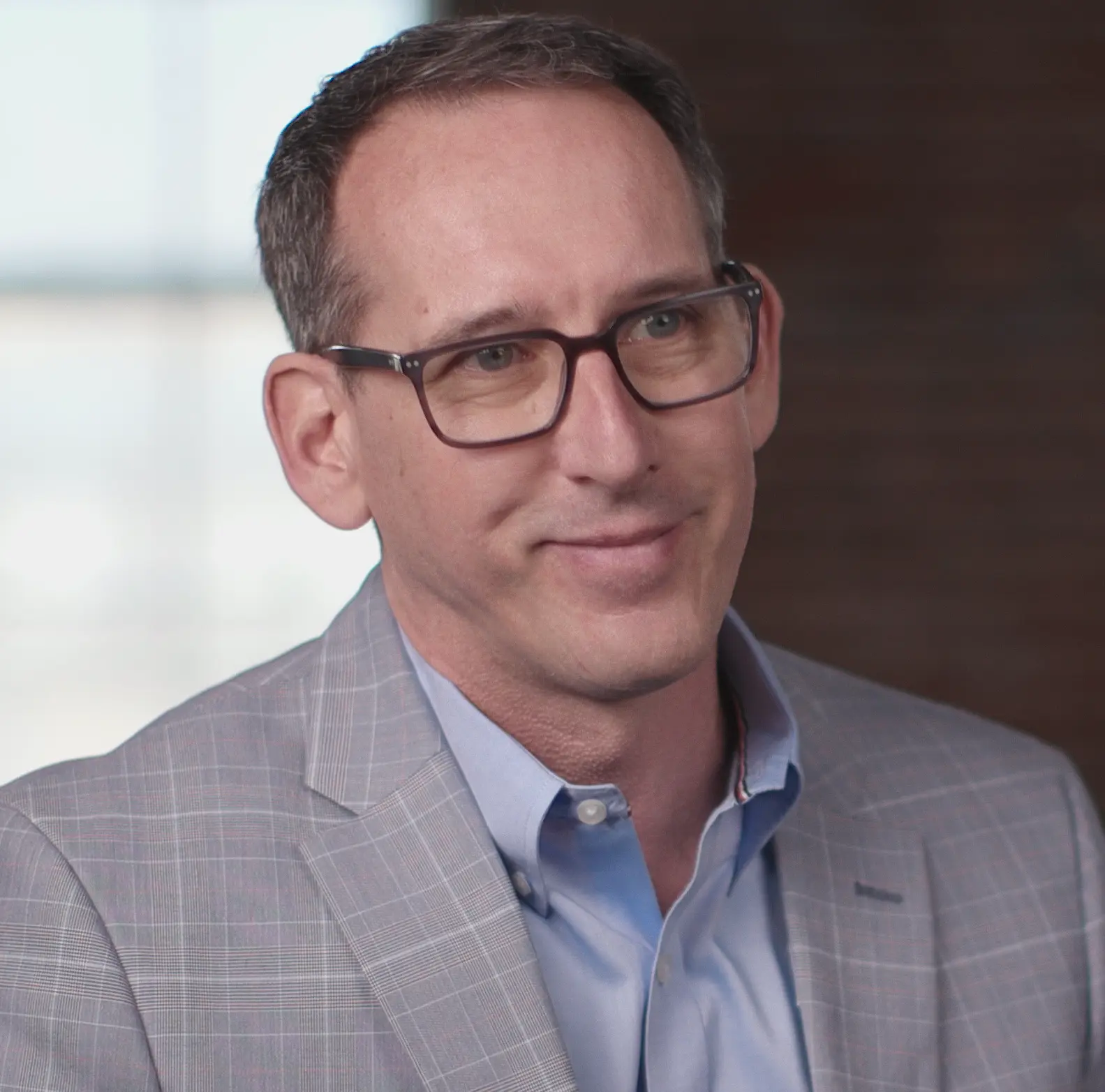
    "Workforce planning is one product that our group supplies," Setty says. "Our charter is to make sure that every people decision made at Google is made on the basis of data, not emotions. We also help the organization think broadly about talent management."

    The members of the people analytics group include industrial engineers, organizational psychologists and traditional MBAs. "We look for a specific analytics background, not a human resources background, because the human resources element can be more easily supplied through training," Setty says.

    The analytics group provides the finance function with specific data. Finance builds the models, submits them to human resources and business leaders for review, and then disseminates the models out to the wide range of people who need them. "You have to reach across difficult silos," Setty says. "But forming relationships with business leaders is one of the easiest parts of my job. They recognize the importance of workforce planning and they are looking for sophisticated numbers."

    On the basis of the people analytics Setty’s group provides and discussions with business leaders, the finance function generates forecasts for one year ahead on a roll­ing basis, and revisits its projections monthly. "For a very fast-growing, dynamic organization like Google, it’s not possible to go out further than one year," Setty notes.

    Setty’s group also likes to innovate and experiment with analytics. One experiment now under way is part of an attempt to establish data-driven recruiting. Google asked all employees to complete a 400-question survey to document elements in their past and then looked for correlations with their performance at Google.

    "We want to identify the variables that can predict high performance," Setty says. "We have isolated variables that are predictive—some that we might have expected and others that are surprising. We are now testing these variables by using them in recruiting and then tracking the performance of the new hires. We are trying to find the right recipe for the workforce."

    With more than 1 million job applications pouring into Google every year, the potential value of that recipe is enormous. The predictive variables—the essential ingredients for a high-performing Googler— are now part of the company’s cache of closely held secrets.

    Setty believes that workforce planning should be an ongoing process conducted with the same frequency and rigor as financial planning. "Especially in organizations like Google with substantial people-based assets, human resources and finance need to partner and look at the same numbers in the same language. New technology allows us to create real transparency around the numbers."

    Most important, every organization needs internal consistency in the data used for planning. "The global business environment is full of uncertainties," Setty says. "You can’t predict the future. But you can make sure that your numbers are internally consistent."

Workforce Management, April 21, 2008, p. 19 -- Subscribe Now!


Fay Hansen is a contributing editor for Workforce Management. To comment, e-mail editors@workforce.com.

Top of Feature | Features Archive

           
E-mail this document Printer-friendly version Write to the Editor Reprint Information

Reproductions and distribution of the above article are strictly prohibited. To order reprints and/or request permission to use the article in full or partial format, please contact our Reprint Sales Manager at (732) 723-0569.


Comments

Guidelines: Comments that include profanity or personal attacks or other inappropriate comments or material will be removed from the site. We will take steps to block users who violate any of our posting standards, terms of use or privacy policies or any other policies governing this site. You are fully responsible for the content you post.


Copyright © 1995-2009 Crain Communications Inc.
All Rights Reserved. Terms of Use Privacy Statement