HR Management
Home
Complete archive of features and news articles, sample policies and procedures, assessments, and surveys.
Network and exchange ideas with other members in the forums or ask an expert in one of the hosted forums.
Access vendor directories, product case studies and showcases.
Read Best in Shows, view our conference calendar, read commentaries and take our news poll.
The Hot List
Blogs
Topic Channels
Comp, Benefits, Rewards
HR Management
Legal Insight
Recruiting and Staffing
Software and Technology
Training and Development
= Member Only
Workforce HR Jobs
Post Your Job
Post Your Resume


Subscribe Now
Workforce Magazine
Subscriber Help


= Member Only


Feature:

Effective Employee Communications


Effective Employee Communications


5 Questions for Christopher Chiames, communications consultant, F&H Solution Group.
By Mark Schoeff Jr.

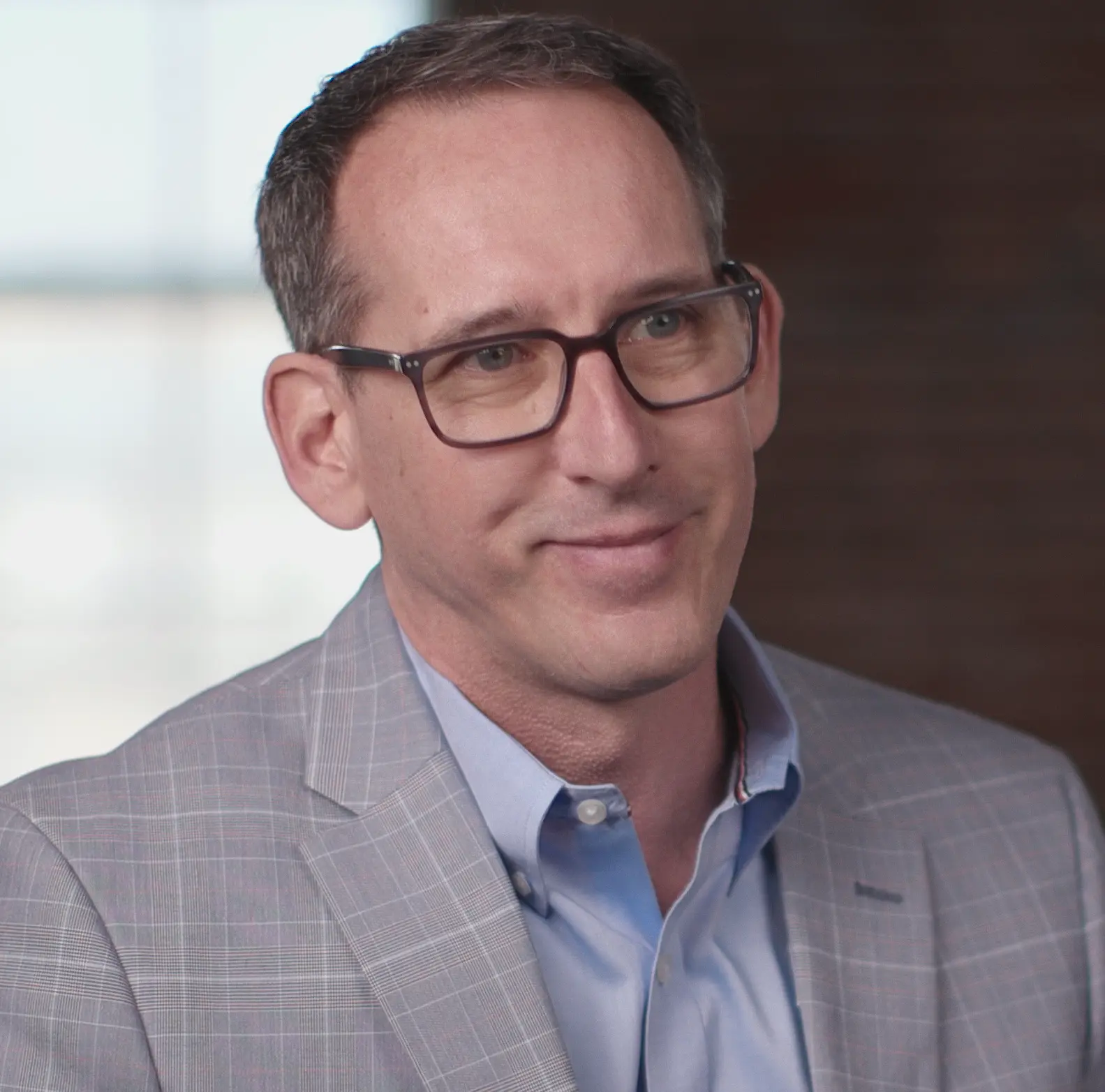
Christopher Chiames
Communications consultant, F&H Solutions Group

Rather than an afterthought, communications should be a primary tool for increasing employee engagement, according to Christopher Chiames, a consultant with F&H Solutions Group. A former senior vice president for corporate affairs at US Airways, Chiames was with the company when it had to persuade its workers in 2002 to make sacrifices to save the carrier. Chiames recently spoke to Workforce Management staff writer Mark Schoeff Jr.

Workforce Management: When US Airways was faltering, how did you communicate with the workforce?

Christopher Chiames: We knew that engaging our employees and getting their participation in the restructuring was critical. We started communicating to all our constituencies pretty quickly about what we were trying to accomplish. We laid it all out. We didn’t sugarcoat it. In today’s Internet age, you can’t afford to have duplicate and conflicting messages. Everything has to be transparent. Everything has to be consistent.

WM: How did you convey the pain the changes would cause?

Chiames: What we did was communicate all these changes in the context of what we were trying to accomplish so that they weren’t sacrifices for the sake of making sacrifices. They were for the sake of changing the way the company did business, preserving their jobs and providing for their future careers. We tried to give them a vision of where the company was going to be. Did employees like it? Certainly not. [But] we succeeded in making the company an attractive merger partner. A significant number of jobs were eliminated, but more jobs were preserved than eliminated.

WM: How skilled is the HR function at communicating?

Chiames: Good HR managers are those that are enlightened and realize how communication can help them. Sometimes you have to pull them along in that process to see the benefit. We’ve rewritten the basic communications for the recruiting effort. That allows recruiting managers to be much more effective at open houses or trade shows because they have a better message to attract candidates.

WM: What are the challenges to communicating in the HR context?

Chiames: Unfortunately, the HR function in today’s world is closely aligned with the legal world. HR has a lot of legalese built into it. We’ve all gotten something from an employer that they’ve had to put out and said, "What’s that?" Whether they’re changing benefits or making changes for retirees, it has to be taken out of the legal mumbo jumbo. Make it relevant to the employees. That’s the biggest challenge for the HR department.

WM: How do good managers foster healthy communication?

Chiames: You [have to] solicit feedback and show that you’re interested in what employees are thinking and making changes to the organization based on the feedback. I’ve worked in places where midlevel employees tell me, "I say hello to my VP every day. I know he doesn’t know my name." There are some managers who don’t even have the presence to fake it. The organizations that aren’t successful are because people don’t want to be bothered; they don’t want to deal with the feedback. It’s [about] engaging employees at all levels—the security guard at the front desk, the receptionist. It’s that kind of day-to-day engagement that’s critical to making employee communication successful.

Workforce Management, April 23, 2007, p. 6 -- Subscribe Now!


Mark Schoeff is a Workforce Management staff writer based in Washington. E-mail editors@workforce.com to comment.

Features Archive

           
E-mail this document Printer-friendly version Write to the Editor Reprint Information

Reproductions and distribution of the above article are strictly prohibited. To order reprints and/or request permission to use the article in full or partial format, please contact our Reprint Sales Manager at (732) 723-0569.


Feature Contents

1. Dear Workforce: What Items Should Be Included When Providing Employees With a Benefit/Compensation Statement?
First, worry about whether this practice even makes sense for your organization. Total compensation statements should fit into long-term human resources objectives.

Similar Documents
Article
Glean
Article
Glean

Related Topics


Sponsored Tools

Recruiting & Staffing Software
The industy's #1 Applicant Tracking System! Solutions for SMBs and Enterprise organizations.


Discover PCRecruiter Recruitment Solutions
Discover PCRecruiter, the versatile applicant tracking solution used by over 2700 organizations.


Contact Center Testing Software
Self-scoring software helps hire contact center reps right the first time! Toll-free phone help too!


World-Class Recruiting Software
Powerful, custom-tailored applicant tracking & onboarding by SonicRecruit. Click here for free tour


Hiring Success with Resource Associates testing
Don’t settle for one test for all jobs, we can create a testing system to match your unique needs.


Get Listed >>>


 Workforce Blogs

The Business of Management
Workforce Management editor John Hollon analyzes and comments on business, management and the art of leading a workforce.

Workforce Washington
Washington staff writer Mark Schoeff Jr. provides an insider’s insights to the workings of our nation’s capital from the workforce management perspective.

Global Work Watch
Staff writer Ed Frauenheim blogs about how companies worldwide marshal and manage their workers.


Copyright © 1995-2008 Crain Communications Inc.
All Rights Reserved. Terms of Use Privacy Statement